.jpg)


.jpg)

 English daily published in Bengaluru & Doha

Tuberculosis: Are we losing grip?
Kumaran P | NT
With healthcare professionals and governments according top priority to deal with Covid-19 pandemic, the effort to fight tuberculosis, through regular screenings and early detection, had taken a hit. Now with the fall in number of Covid-19 cases, hospitals are now seeing a rise in tuberculosis cases. Doctors lament that detection and assessment for treatment has become a major problem. Health experts fear that undetected patients may be spreading the disease.
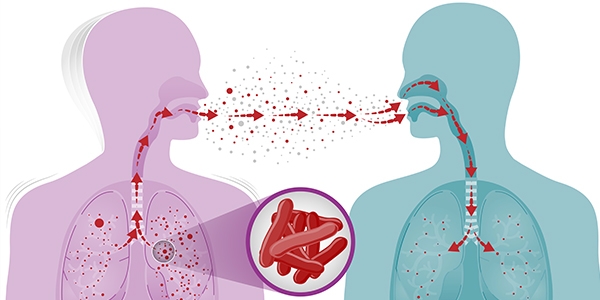
India accounts for the highest number of tuberculosis cases in the world. It is a bacterial infection that primarily affects the lungs and spreads through droplets released when an infected person coughs or sneezes.
Dr Sunil Kumar K, Lead and Senior Consultant - Interventional Pulmonology, Aster CMI Hospital said, “There is a lack of an honest assessment of the TB situation in India. Our country is struggling to control the spread of this disease. Despite coming up with newer modalities for the diagnosis and treatment of TB, it continues to be a major health concern and is one of the top three infectious diseases in the world.” He pointed out that finding and treating people with TB remains the fundamental pillars of TB prevention and care, and those would require continued attention. It is important that the progress made in TB prevention and care is not reversed by the Covid-19 pandemic, he added.
“As per the report from WHO, the Covid-19 pandemic led to a global reduction of 25 per cent in expected TB detection for three months delaying timely treatment. The pandemic has adversely affected all routine health services, especially TB in terms of diagnosis since all the focus was diverted to Covid-19 to curb the issue. It is anticipated that people suffering from both TB and Covid-19 may have poorer treatment outcomes, especially if TB treatment is interrupted. Both diseases attack primarily the lungs and the incubation period from exposure to disease in TB is longer, often with a slow onset,” he added.
Dr Sunil also said that all measures should be taken to ensure continuity of services for people who need preventive and curative treatment for TB by ensuring that all programmes and care for people are not interrupted or affected.
“We are seeing patients come up with unusual symptoms of TB which does not follow the regular symptoms of TB like endobronchial tuberculosis, mediastinal tuberculosis, military/disseminated tuberculosis. These are different forms of TB, so to diagnose these we need to do bronchoscopy or biopsy. These are not the regular forms of TB that can be diagnosed on the ground or which the GP can diagnose, it needs a pulmonologist’s help. TB isn’t a very simple thing, there are many different other complicated types of TB. Due to advancements of technology, we are able to identify these and prevent complications,” said, Dr Pavan Yadav, Consultant - Interventional Pulmonology and Lung Transplantation, Aster RV Hospital.




.jpg)
