.jpg)


.jpg)

 English daily published in Bengaluru & Doha

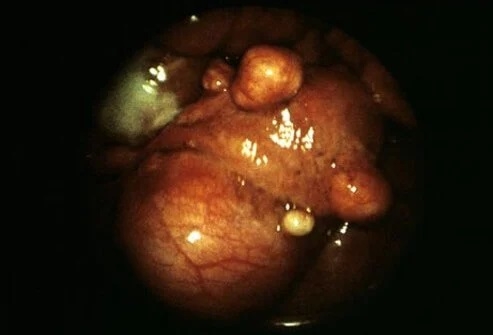
Watermelon size fibroid removed from a 35-year-old woman
NT Correspondent
Doctors at a Bengaluru hospital have removed a large intramural uterine fibroid, almost the size of a watermelon measuring 13.6 x 9.8 cm, from a 35-year-old woman. The patient, Kamakshi, came to the hospital with complaints of heavy menstrual bleeding, which lasts for 10 days.
Six months ago her menstrual cycles were regular. The condition was not associated with any abdominal pain or bowel/bladder symptoms.
For the last three years, Kamakshi started having lower abdomen pain and frequent backaches. Then she was evaluated for the same in Feb 2022. MRI spine showed incidental fibroid with prominent vascular markings, fibroid could be chronic longstanding. Her vitals were stable on examination.
Fibroids are very common in women during childbearing age and those in their 30s and 40s through menopause. Hormones, estrogen and progesterone promote the growth of fibroid and menopause decreases it.
Genetics, increase in insulin growth factors, use of birth control devices, vitamin D deficiency, a diet rich in red meat and increased intake of refined carbohydrates can increase the growth of fibroids.
Commenting on the size of the fibroid, Dr N Sapna Lulla, Lead Consultant - Obstetrics & Gynaecology said: “Upon diagnosis, CT scan of kidneys, ureters and bladder (CT KUB) showed a bulky uterus of large uterine fibroid 13 x 14 x 15 cm, causing predominantly right hydroureteronephrosis, (swelling of the right kidney) with a right ovarian dermoid of 3.7 x 3.7 x 4 cm. The uterus was uniformly enlarged at 22-24-week size. However, the right fallopian tube was normal. A right ovarian dermoid cyst of 4x5 cm was noted. The left tube and left ovary were also normal. The patient underwent laparoscopic myomectomy with right ovarian cystectomy. The fibroid was removed through laparoscopic myomectomy.”
“Fibroids are benign tumours of muscular and fibrous tissues, typically develop in the wall of the uterus. If left untreated, fibroids can continue to grow, both in size and number and can experience complications such as heavy menstrual bleeding, menorrhagia, pelvic pressure, abdominal pain affecting regular day to day activity, frequent urination and difficult emptying of bowel and bladder due to pressure effect, constipation due to pressure on rectum and it increases 2% chances of becoming cancerous,” Dr Sapna Lulla added.
Thanking the doctors, Kamakshi said: “The pain was intolerable most of the time. The surgery was quick and painless. I thank Dr Sapna Lulla and the team.”




.jpg)
