.jpg)


.jpg)

 English daily published in Bengaluru & Doha

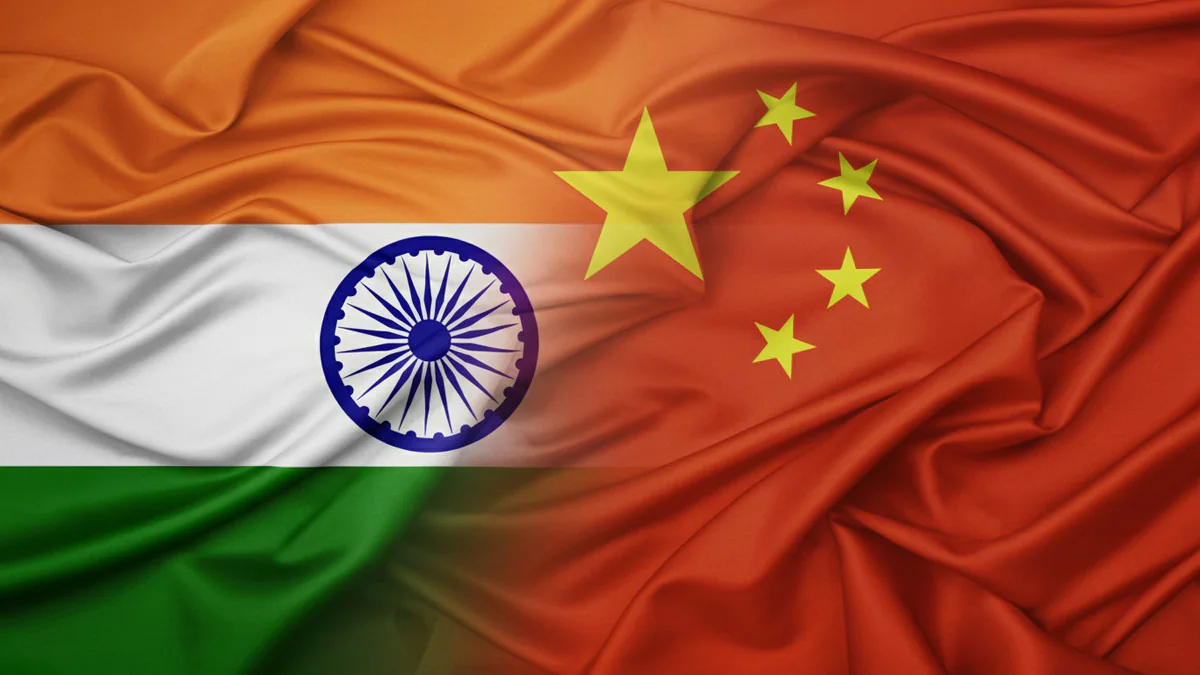
India-China Ties: Beyond the Border
At the best of times, India’s relations with China have been only delicately calm. It doesn’t take much to pitchfork them into the headlines. One such instance was when Director General of the Indo-Tibetan Border Police Shatrujeet Kapur revealed on Thursday that face-offs were continuing at multiple points along the Line of Actual Control in Arunachal Pradesh.
The Opposition Congress seized on the comments and accused the government of offering “clean chits” to Beijing when the border was far from calm. The Foreign Ministry promptly clarified that tranquillity along the border is disrupted whenever Chinese forces “diverge from established patrolling patterns”. This confirmed, rather obliquely, what the ITBP chief had said.
Relations had plummeted in June 2020 when the two armies clashed in the Galwan Valley, resulting in the deaths of 20 Indian soldiers and four Chinese troops. Since then, there has been a thaw in ties on both political and economic fronts. Last month, Chinese President Xi Jinping was in India for the BRICS summit. Both Xi and Prime Minister Narendra Modi affirmed that the two countries are “partners rather than rivals”.
After key patrolling and disengagement agreements in Ladakh, External Affairs Minister S Jaishankar said bilateral ties were “better today than two years ago”. A few weeks ago, Chief of Defence Staff General N S Raja Subramani said the border situation was stable and there was “no cause for concern”. The economic front, too, has seen a paradoxical upswing, with bilateral trade surging to over $150 billion.
The flipside is that it remains a one-sided business: imports from China stand at $131 billion, while exports to China are only $19 billion. All this indicates a deep structural divergence in how the two nations view each other. While New Delhi maintains that “the state of the border determines the state of the relationship” and peace along the Line of Actual Control is a prerequisite for normal ties, Beijing has pushed for delinking the territorial dispute from diplomatic and economic engagement.
In an era of global interdependence, India can’t afford to allow bilateral relations to be held hostage to border issues. Even while working to resolve the differences regarding the Line of Actual Control and strengthening its military capabilities, India must make every effort to parallelly deepen economic and culturalties.
The government must seek better access to Chinese markets while pursuing sustained domestic self-reliance in order to reduce imports from China. Culturally, both nations should promote student exchanges, academic partnerships, language programmes, direct air connectivity and cultural interactions.

.jpg)
.jpg)
.jpg)
.jpg)